The Shopper Who Never Visits Your Site
Some shoppers now shortlist inside an AI assistant and open one or two pages. What that journey looks like and what your product data needs before they arrive.
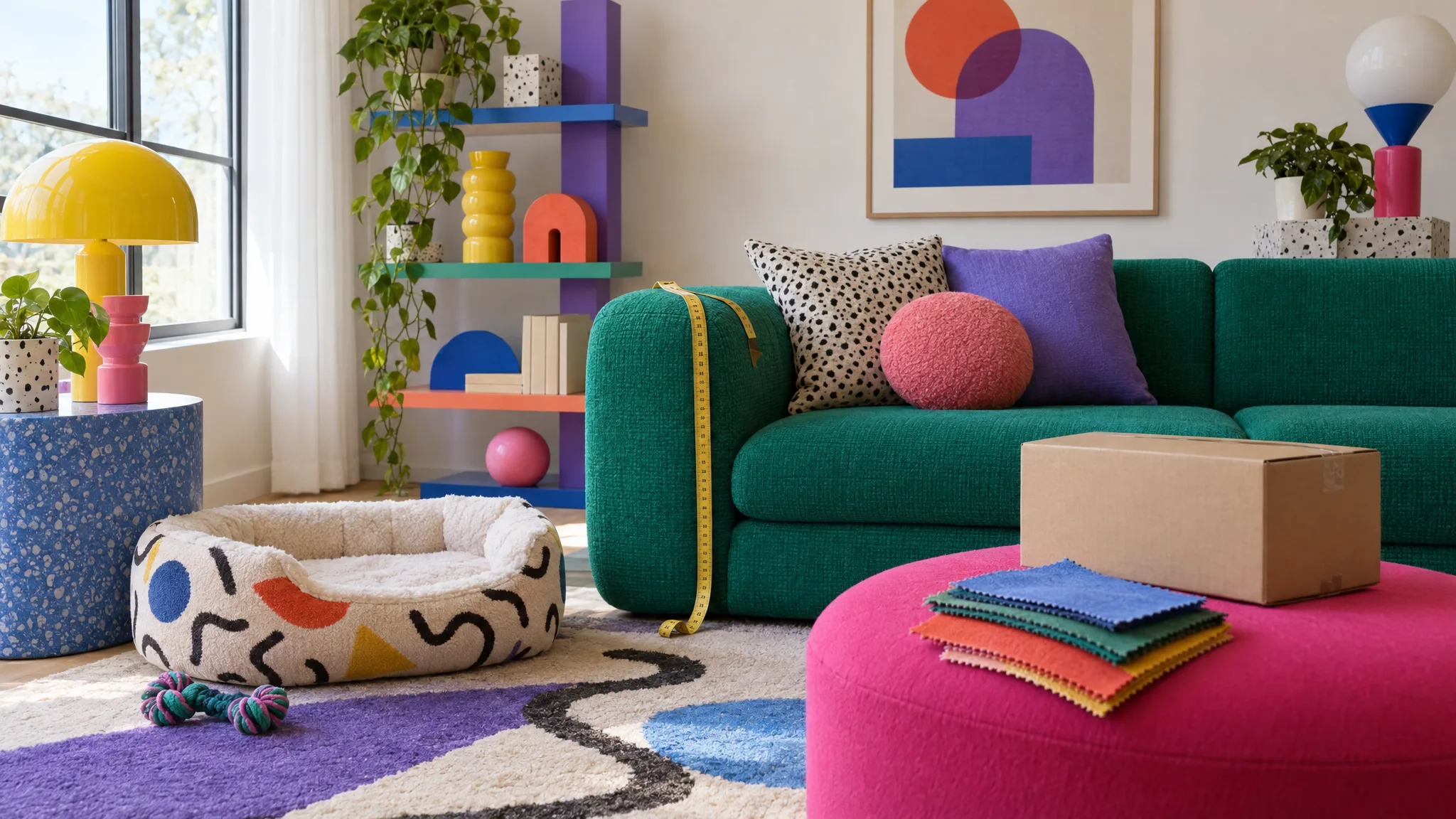
Here is a shopper. She needs a sofa for a narrow living room in a rental, she has a dog, and she's moving in six weeks. Five years ago she'd have opened a browser tab, searched, opened eight product pages, compared them in her head, closed six, bookmarked two, and come back on the weekend. Your product page, your photography and your copy would have had their chance.
Now imagine she opens an assistant and types the whole situation in one go: "Sofa under 78 inches, pet-friendly fabric, needs to ship in under four weeks, budget around $1,500." The assistant offers a few suggestions. She asks which fits through a 30-inch door, then opens one or two product pages.
If your product wasn't among the suggestions, she may never have seen your page.
What's different about this journey
Three things, and none of them is about AI being clever.
The narrowing happens before the visit. The shortlist used to be built on your site and your competitors' sites, where your copy and images did their work. Now it's built in a conversation you're not in, from facts the assistant could gather about each product. By the time she arrives, if she arrives, the decision is mostly made.
The questions are specific and asked all at once. Width, fabric type, lead time, price, and later whether it fits through the door. A search engine took one query at a time and gave links. An assistant takes the whole brief and gives products. A product the assistant has four of five facts for is at a disadvantage against one it has all five for, though assistants also make trade-offs, accept follow-ups and don't always get it right.
The list is short. Search gave a page of results and a shopper might scroll. An assistant gives a few, and asking for more gives a few more. A product the assistant knows little about is less likely to be in either.
What she sees less of
Your hero image. Your lifestyle photography. Your brand story. Your reviews widget. The 3D viewer you paid for. Your carefully written paragraph about craftsmanship. Some of this reaches her indirectly, since assistants can show product imagery and draw on reviews and third-party coverage, but the page as a designed experience is a destination she only reaches if the assistant sent her there.
Much of what the assistant was working from is less glamorous: the width in inches, the fabric content, the shipping window, the price, whether the arms come off. If those are plain text on your page or in your product feed, it's more likely to have them. If the width is in a spec image, the fabric is "performance fabric" with no composition, the shipping window is in a popup, and the arms question is answered only by customer service, it may have gaps, and gaps don't help your case.
This is not a prediction
You do not need to forecast how many shoppers will follow that exact journey before testing it. The exercise in ask an AI assistant for a sofa shows what an assistant can find about your range today. The fix is useful beyond AI too: complete, readable product facts help shoppers wherever they encounter the product. A page that answers "does it fit through a 30-inch door" in plain text helps the person reading it as much as the machine.
What it asks of a furniture retailer
Not a new marketing channel. A product data habit. For every product, the questions a shopper is likely to ask, answered as facts: in your catalog as attributes, on your page as text, in your feed as fields. Not only in a PDF, an image, a tab or a colleague's head.
For a furniture range that's thousands of products deep, that's a catalog job, not a copywriting one, and it's what the rest of this series is about. For the complete picture, see being found by AI. For what an assistant can and can't read on a typical furniture page, see what an AI assistant can read easily on a furniture product page, and what's harder.
A way to meet this shopper
Pick one product you'd want recommended. Write down the ten questions a shopper might ask an assistant before buying it. Open the product page and check, for each, whether the answer is there as text. The ones that aren't are gaps worth closing, whatever else went into the answer.