How Leading Furniture Companies Use AI to Launch Bigger Ranges Faster (2026)
How Wayfair, Ashley and furniture businesses such as Bentincks, NOIR and FW Style use AI to launch larger product ranges faster, what suppliers now need to provide, and a three-phase timeline for getting a range live.
A new sofa range is ready in the warehouse. The container has landed, the price list is signed off, and the retail buyer wants it live for the spring promotion. Then the list of what's missing arrives: lifestyle images for 14 fabrics, packaged dimensions for two pieces, a retailer template that wants a different image size, and a photo shoot that can't be booked for three weeks.
That gap between "ready to ship" and "ready to sell" is where most of a launch goes. It's also where AI is earning its place at furniture companies of every size, from Wayfair to sofa manufacturers with a handful of collections.
How are leading furniture companies using AI to launch larger product ranges?
They use it to take the waiting out of range launches, not to replace the people who decide what launches. Four patterns show up again and again:
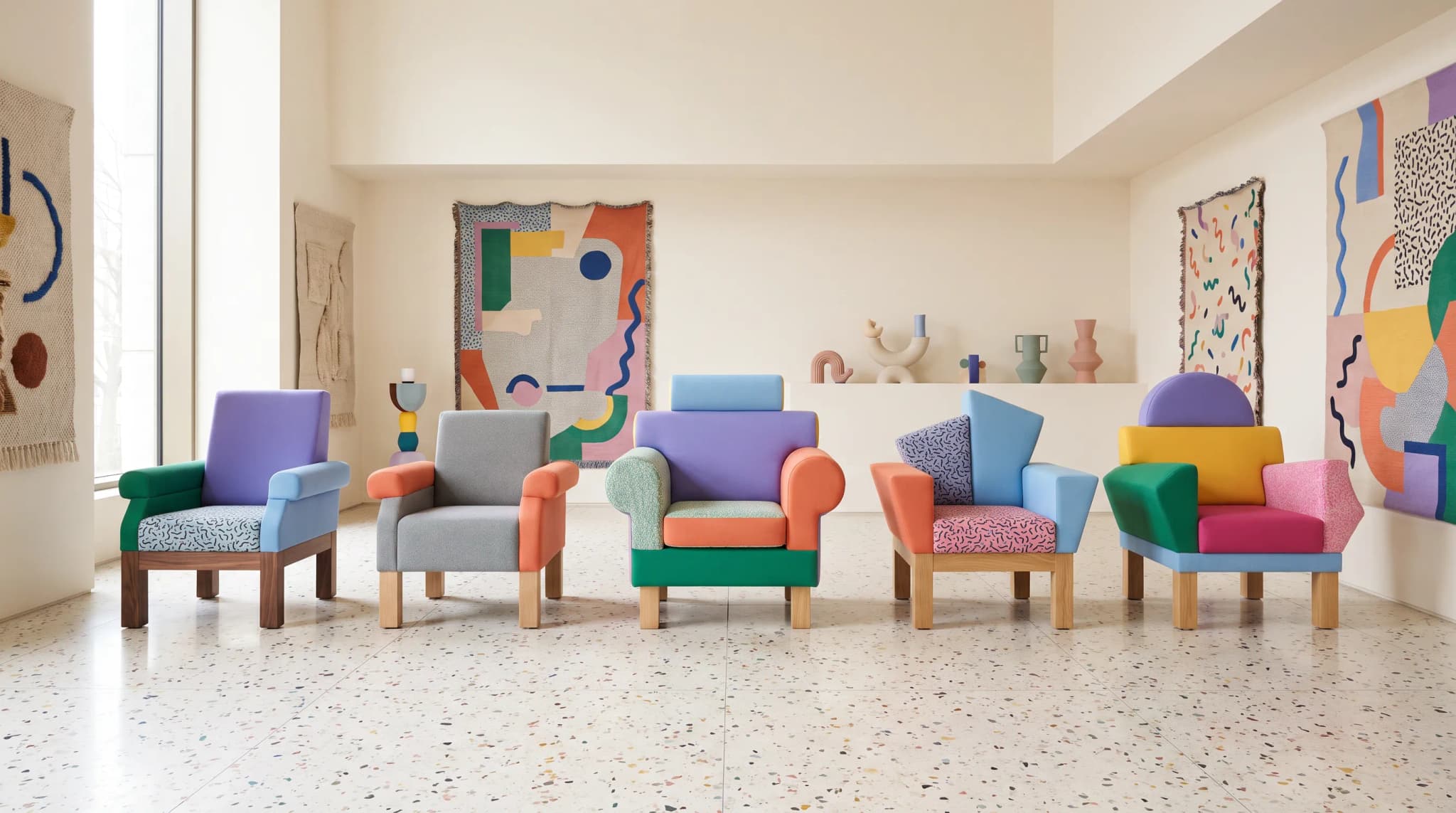
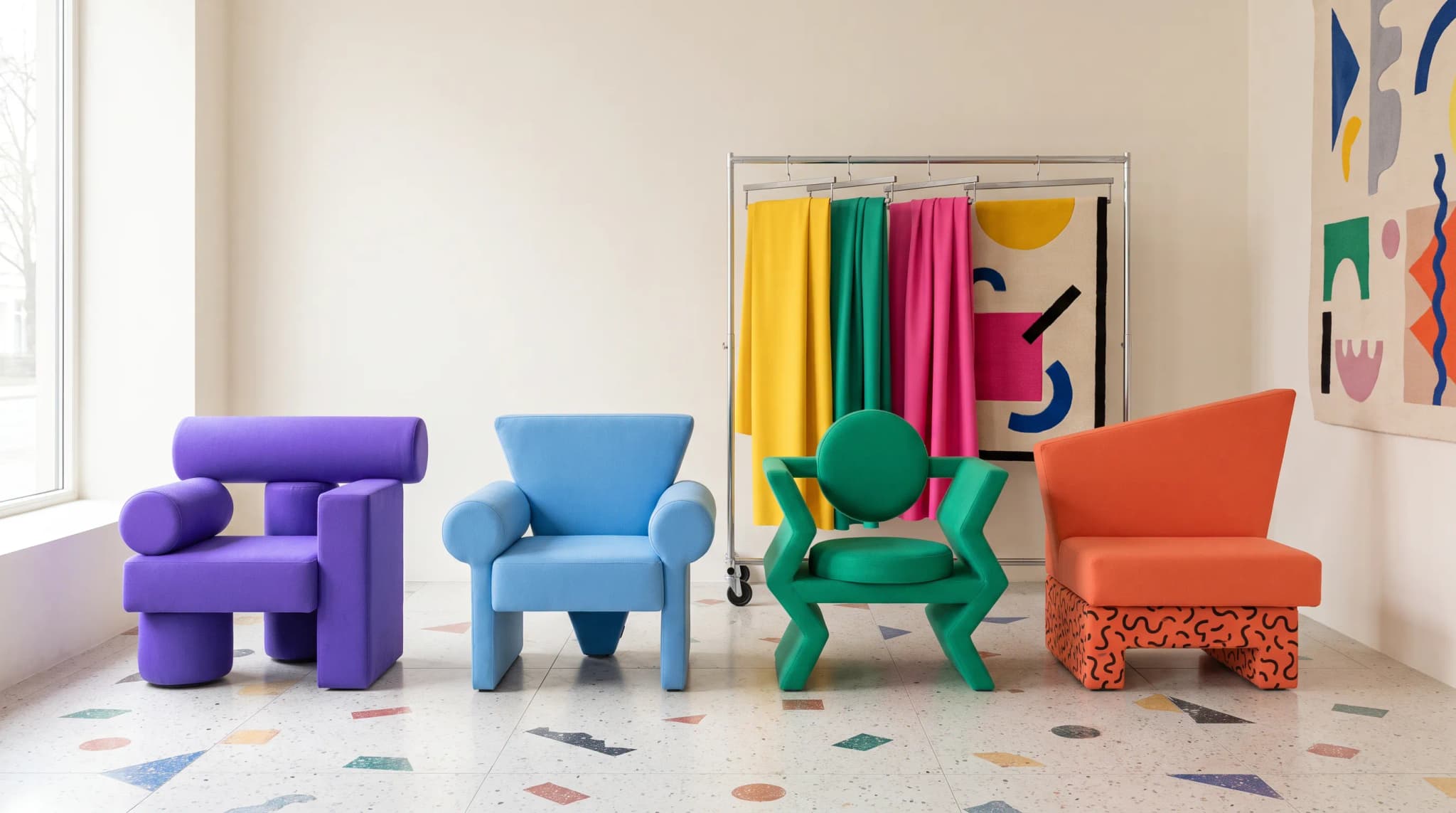
- Imagery for every variant from one approved shot. Instead of photographing each fabric, finish and size, teams generate variant and lifestyle imagery from an approved product photo, then check it against the swatch.
- Supplier data structured and filled faster. AI reads supplier spreadsheets and PDFs, groups rows into products and variants, and fills gaps, with a person checking a sample before anything is applied.
- Pre-sales imagery before stock exists. Retailers build room scenes for new ranges before the product arrives, so marketing doesn't wait for the container.
- Quality checks at the retailer. The largest retailers now use AI to check supplier content against images and specs, and to fix or flag listings at scale.
The result is a larger range online sooner, because the slowest step no longer sets the pace for every SKU. Why furniture ranges take so long to go online breaks down those bottlenecks in detail.
What large furniture retailers are doing with AI
Wayfair: AI across inspiration, catalog quality and agentic checkout
Wayfair has published detailed accounts of its AI work:
- Decorify (2023), a generative AI room styler: shoppers upload a photo of their room and get photorealistic, shoppable restyles using Wayfair's catalog.
- Muse (2025), a generative AI browsing tool that links inspiration images to products Wayfair sells.
- Catalog tagging with Google's Gemini. Wayfair says automatic categorization cut the time to curate new and updated listings by 67% across its 30 million product portfolio, improving attribute accuracy lifted conversion on filters by about 2%, and Gemini's image analysis "opened up new possibilities" such as automatically catching errors in listed product dimensions.
- Catalog quality with OpenAI. OpenAI reports that Wayfair's AI systems validated more than 11 million product specs and automated work across 41,000 supplier support tickets a month. When confidence is high, the system updates product content and notifies the supplier; low-confidence or high-risk changes need supplier confirmation first.
- Agentic checkout. Wayfair co-developed Google's Universal Commerce Protocol, and UCP-powered checkout began rolling out to US shoppers buying from Etsy and Wayfair in February 2026.
Ashley: buying furniture inside an AI answer engine
In November 2025, Ashley launched a fully transactional shopping experience in Perplexity with PayPal: customers can ask for recommendations, add items to a cart and pay within one conversation. Stripe also named Ashley Furniture as an early user of its Agentic Commerce Suite.
RH: no published AI program
RH hasn't announced an AI product initiative in its press releases or SEC filings. Its CEO wrote in a 2020 shareholder letter that "We don't believe 'bucket lists' of the future will be filled with lonely online activities, with or without AI, AR or VR." Not every large retailer is moving at the same pace, but the ones that are moving are changing what they expect from suppliers.
What suppliers must provide when retailers use AI
None of these programs works on thin data. Wayfair's tagging, for example, processes product imagery alongside title and description copy, so it's reasonable to expect weak images or sparse copy to give it less to work with. Google has also announced new Merchant Center attributes for conversational shopping, such as answers to common product questions and compatible accessories.
Before a range goes to a retailer that uses AI on its catalog, check that you can supply:
- Complete dimensions, assembled and packaged, in one unit, so AI checks against your images don't flag a mismatch.
- Materials and finishes as structured fields, including fabric composition and color for every variant.
- A parent product and sellable variants with their own identifiers, so each fabric and size can be listed, priced and found on its own.
- An image for each variant you sell, accurate to the swatch, plus room scenes where the channel allows them.
- Availability and lead time per variant, not one figure for the whole range.
- Answers to the questions buyers ask: seat height, assembly, care, what fits through a doorway.
- Someone to confirm proposed changes. Wayfair's system asks suppliers to confirm riskier edits, so a slow reply holds a listing.
Each retailer and marketplace sets its own requirements, so check them per channel rather than assuming one export fits all. Furniture Connect prepares a range for distribution; it doesn't replace a retailer's portal, approvals or agreements.
Case studies: how furniture brands launch ranges faster with AI
These are results Furniture Connect customers report. They depend on the catalog and the workflow, and they're not guarantees.
| Company | Business | What changed | Reported result |
|---|---|---|---|
| Bentincks | UK sofa manufacturer | Lifestyle images that match its sofas, with no studio shoot or scheduling | Retailer uploads cut from two to three weeks per range to just over one week |
| NOIR | US furniture and home decor | Chose Furniture Connect after testing several AI platforms, for 2K output (4K with upscaling), batch processing and speed | Entire product line reimagined at a fraction of the cost and timeline of traditional photography |
| FW Style | UK online furniture retailer | Replaced generic AI tools with one furniture platform: batch processing, Product Highlights and carousels | Sales conversions up 30% after switching |
| Barker and Stonehouse | UK furniture retailer | Turns a single supplier photo into consistent product imagery and lifestyle scenes in every fabric and finish | About 30 seconds per image, more than £50,000 saved |
| Hooker Furnishings | US home furnishings | Built the lifestyle library its catalog lacked | New outdoor fabric options launched with imagery ready |
| Furniturebox | UK direct-to-consumer retailer | Whole-room scenes generated on demand | Pre-sales imagery ready before stock arrives |
What did Bentincks change?
Bentincks makes sofas and sells through UK retailers. Before, every range went through studio shoots, cleanup and retailer uploads that took two to three weeks, and new collections sat waiting.
With Furniture Connect, it generates lifestyle images that match the style, detail and fabric of its sofas, without a photographer or a booking. Upload timelines fell to just over one week, and the images became a key sales tool for its nationwide retail team. In its words, "for the quality of the images against the price it's very much worth the investment."
What NOIR and FW Style show
NOIR wanted to reimagine its whole product line online, and traditional photography was too slow and too expensive for that volume. It tested several AI platforms before choosing Furniture Connect for output quality, batch processing and speed.
FW Style had been stitching together generic AI tools, with hit-or-miss quality and painful batch work. After moving to one furniture-specific platform, FW Style reports a 30% rise in sales conversions, and its managing director says it brings new products to market "effectively and efficiently."
How fast can a new range go live? A three-phase timeline
Most teams generate their first images within hours. Migrating a full furniture catalog, product data, SKUs and existing images, typically takes one to two weeks depending on size. Our migration guide sets out three phases:
| Phase | What happens | What customers typically see |
|---|---|---|
| 1. Import your catalog | Product images uploaded in bulk (including ZIP files and folders), product data imported from CSV or entered directly, and brands, collections, finishes and materials organized; the team maps data from an existing PIM or ecommerce platform | First week: data imported and organized, first batch of lifestyle images, team familiar with the core workflows |
| 2. Generate your imagery | Room staging, batch processing, product highlights, carousels, upscaling and cleanup, starting with the highest-priority products | First month: full catalog processed through Studio, new launches using Furniture Connect as the main imaging tool |
| 3. Publish and onboard | Download or export listings with imagery attached, give the team access and roles, document the new workflow, wind down the old process | Three months: every new product live with styled imagery on day one |
Keep photography or CGI for hero and detail shots, where every stitch line matters, and use AI imagery for variants, lifestyle scenes and catalog volume. Every generated image needs a person to check it against the real product, and an image should be linked to a variant only after someone confirms it shows that exact combination.
What is the first step?
Start with one range, not the whole catalog. The approach pays back fastest once a catalog passes roughly 200 SKUs or sells through more than two channels, but the test is the same at any size:
- Pick one range of 10 to 30 products that has waited longest for imagery.
- Capture a baseline: time to market, cost per image, image consistency, team satisfaction, conversion rate and products without lifestyle imagery.
- Run the new workflow on that range for two to four weeks as the main imaging route.
- Review every image against the real product and swatch before publishing.
- Compare the same numbers side by side.
Our guide to piloting on one range walks through each step.
Frequently asked questions
How is AI speeding up furniture range launches?
By removing the queues between a finished product and a sellable listing. Manufacturers and retailers generate lifestyle and variant imagery from approved product photos instead of booking a shoot per fabric, use AI to structure and fill supplier data, and check content before it reaches a channel. At the retailer end, Wayfair uses AI to validate product specs and update listings, notifying suppliers and asking them to confirm riskier changes. People still review the output before it goes live.
How fast can a new range go live?
It depends on how complete the source data is, but the imagery wait can shrink from weeks to days. Bentincks reports cutting retailer uploads from two to three weeks per range to just over one week. On Furniture Connect, most teams generate first images within hours, and migrating a full furniture catalog typically takes one to two weeks depending on size.
What did Bentincks change?
Bentincks, a UK sofa manufacturer, stopped waiting on studio shoots, cleanup and retailer uploads, which had taken two to three weeks per range. With Furniture Connect it generates lifestyle images that match the style, detail and fabric of its sofas, with no photographer or scheduling delay. Upload timelines fell to just over one week, and the imagery became a key sales tool for its nationwide retail team.
What is the first step?
Pick one range of 10 to 30 products that has waited longest for imagery and record a baseline first: time to market, cost per image, image consistency, team satisfaction, conversion rate and how many products lack lifestyle imagery. Run the new workflow on that range for two to four weeks, review every image against the real product, then compare the same numbers side by side.
If you have a range waiting to go live, book a Studio demo and bring a few product shots from it.
Sources
- Wayfair: Decorify launch (July 2023).
- Wayfair: Muse launch (February 2025).
- Google Cloud: Wayfair and Google Cloud expand partnership with Gemini (January 2025).
- Wayfair tech blog: LLM-powered style labeling (August 2025).
- OpenAI: Wayfair customer story (September 2026).
- Wayfair: partnering with Google on the Universal Commerce Protocol (January 2026); Google: new tech and tools for retailers (January 2026); Google: UCP-powered checkout rolling out (February 2026).
- Ashley: agentic checkout in Perplexity (November 2025); Retail Dive coverage; Stripe: Agentic Commerce Suite.
- RH Q3 fiscal 2020 shareholder letter (SEC filing).